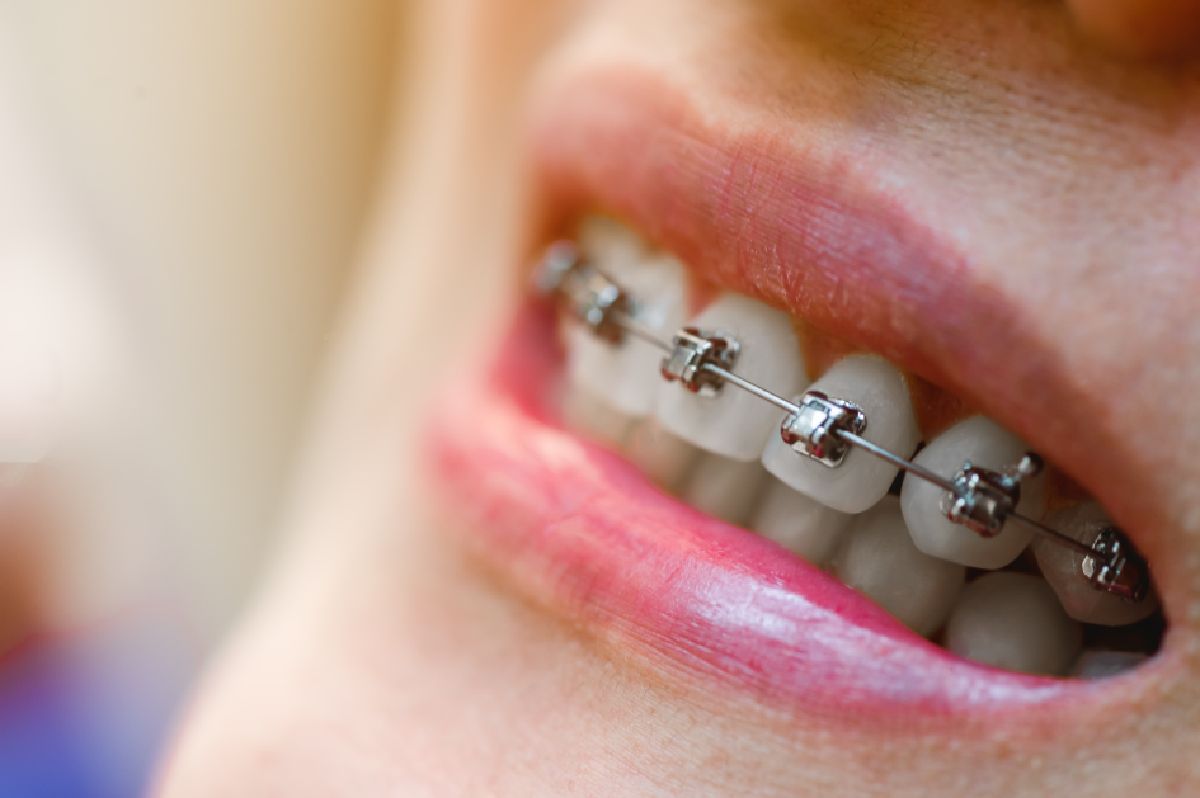
Yes, you can get braces even if you’re missing one or more back teeth. In most cases, missing molars affect how orthodontic treatment is planned, not whether it’s possible.
Many people assume a gap automatically disqualifies them from braces, so they put treatment off for years. In reality, orthodontists work around missing teeth all the time. Braces can still straighten your teeth, improve your bite, and often make future tooth replacement easier and more predictable.
Let’s walk through how that works.
Key Takeaways
- Missing back teeth don’t automatically prevent braces
- Orthodontists can plan treatment around gaps
- Braces may prepare your mouth for implants or bridges later
- Treatment is always customized to your bite and spacing
- Abka Dental offers orthodontic care in Port Lavaca, including Medicaid and CHIP
Why Back Teeth Matter in Braces
Back teeth, especially molars, usually act as anchors during orthodontic treatment. They help stabilize the bite as other teeth shift into alignment. When a molar is missing, that support changes, but it doesn’t eliminate treatment options.
Modern orthodontics allows dentists to redistribute forces across remaining teeth or introduce temporary support where needed. Instead of stopping treatment, your orthodontist adjusts the mechanics so teeth still move safely and efficiently.
Can You Still Get Braces with Missing Back Teeth?
In most cases, yes. Braces with missing back teeth are very common.
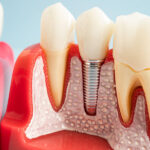
Your dentist or orthodontist will decide whether the gap should be closed or preserved. Sometimes closing the space improves balance and chewing efficiency. Other times, holding the space open creates the ideal position for a future implant or bridge.
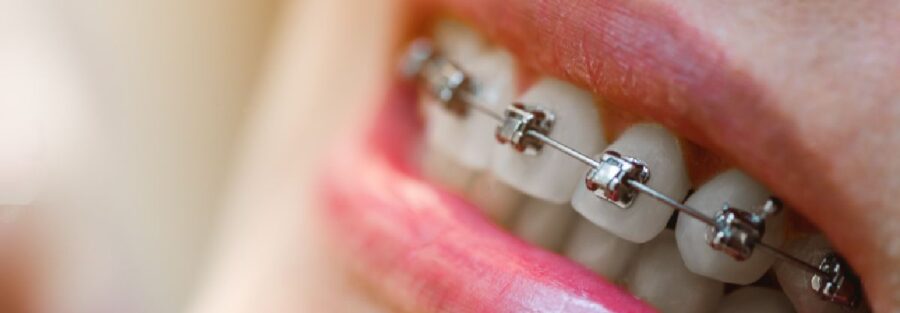
Either way, braces help align your teeth so your bite functions better and any future restoration fits properly.
Braces with Gaps: How Orthodontists Plan Around Missing Teeth
Braces with gaps require thoughtful planning, but they’re far from unusual. Orthodontists look at how the remaining teeth are positioned and how your bite comes together.
If teeth have shifted toward the missing space, braces can gently guide them back into alignment. If the space is intentional, braces help keep it stable and properly sized. This planning is especially important if tooth loss happened suddenly, such as after emergency dental care in Port Lavaca, where spacing can change quickly.
The goal is always to function first, making sure your teeth meet evenly and comfortably.
Missing Molar Braces: What Happens Without Back Teeth Support?
Missing molar braces cases sometimes need additional support during treatment. When back teeth can’t serve as anchors, orthodontists may rely on other teeth or temporary devices to guide movement safely.
This doesn’t mean treatment is more painful or significantly longer. It simply means the plan accounts for how pressure is distributed. Many patients are surprised to learn that once braces are placed, the experience feels very similar regardless of whether a molar is missing.
Solutions Dentists Use When Teeth Are Missing
When planning orthodontic treatment with missing teeth, dentists may:
- Use premolars or canines as alternative anchors
- Place temporary anchorage devices (TADs) for added stability
- Close gaps gradually if bite mechanics allow
- Preserve spaces intentionally for future replacement
- Coordinate orthodontic and restorative treatment
Each approach is chosen based on long-term comfort and stability.
Benefits of Braces Even with Missing Teeth
Even with gaps, braces can still significantly improve daily comfort and oral health.
Straighter teeth are easier to clean, reducing the risk of cavities and gum disease. A more balanced bite can reduce jaw strain and uneven wear. And if you plan to replace missing teeth later, aligned teeth make that process smoother.
For many patients, braces aren’t about perfection. They’re about eating more comfortably, speaking clearly, and smiling without overthinking it.
What Treatment Might Look Like at Abka Dental
At Abka Dental, we treat patients with all types of dental histories, including missing teeth, extractions, and delayed care. Treatment starts with a careful evaluation of your bite, spacing, and long-term goals.
We’ll also talk through appliance options and explain the difference between aligners and braces. If you’re weighing your options, we’re happy to walk you through Invisalign Vs traditional braces so you can make an informed decision.
We accept Medicaid, CHIP, and most private insurance plans, and we offer in-house payment options for patients without coverage. Our bilingual team is here to make every step feel clear and manageable.
Final Thoughts
Missing a back tooth doesn’t mean braces are off the table. With modern orthodontic planning, gaps can be managed, closed, or prepared for future replacement.
The right approach depends on your bite, your comfort, and your long-term plans. At Abka Dental, we focus on practical, patient-centered care that fits real life. If you’re considering braces and aren’t sure where to start, we’re here to help you figure it out calmly and clearly.